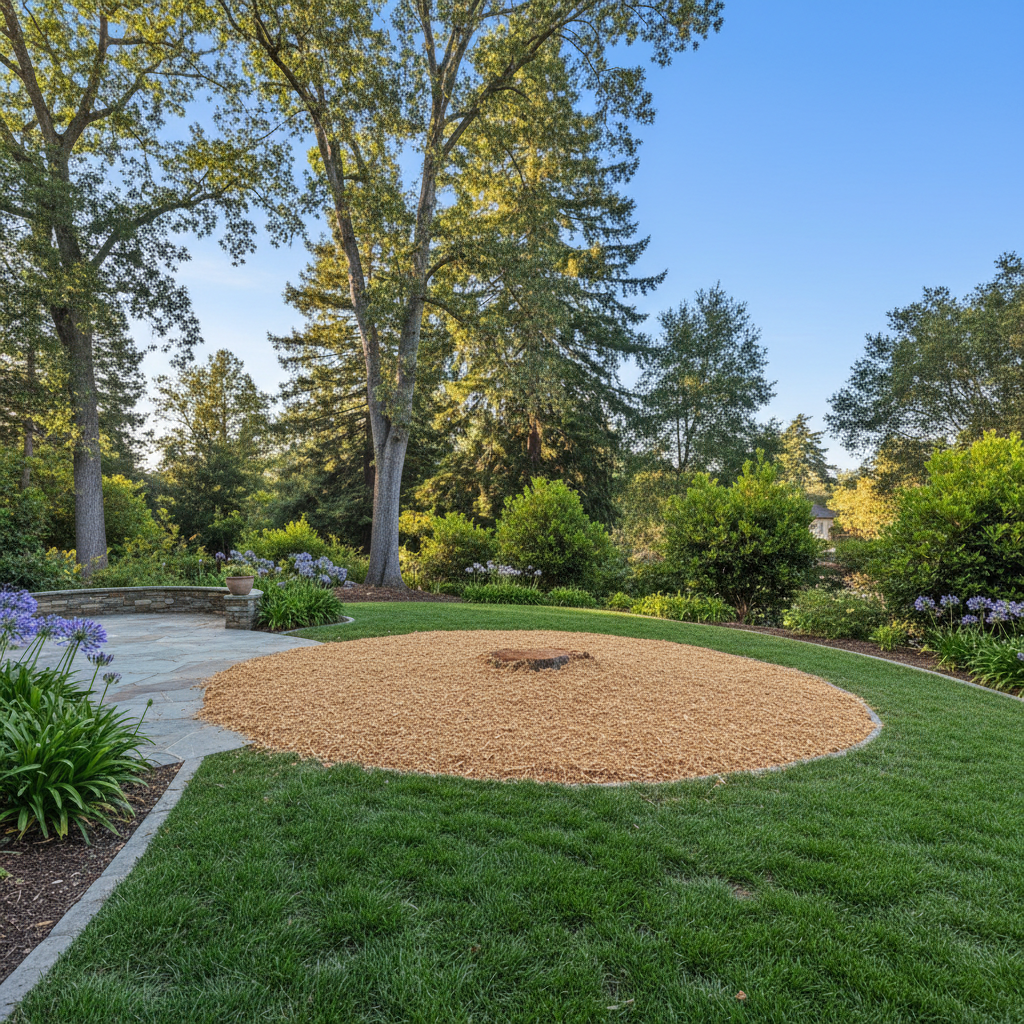
So, you've had a tree removed from your Atherton property. Maybe it was an old oak that was too close to the house, or a diseased redwood that became a hazard. Whatever the reason, the hard part's over, right? Well, not entirely. What happens after the tree is gone is just as important as the removal itself, especially if you want to keep your yard looking good and avoid future headaches. I've seen plenty of folks think once the stump grinder leaves, that's it. Trust me, it's not.
Extending the Life of the Work: Post-Removal Site Care
When we talk about 'extending the life of the work,' we're really talking about the health and appearance of the area where the tree once stood. The goal is to make it look like there was never a tree there, or to prepare it for whatever you plan next. Most of the time, after a tree's cut down, you're left with a stump. We usually grind that stump down several inches below grade. That creates a big pile of wood chips and a hole.
First thing's first: clear out those wood chips. They're great for mulch in other parts of your garden, but if you leave them in the hole, they'll decompose slowly, compacting and creating an uneven surface. Plus, as they break down, they can pull nitrogen from the soil, which isn't great if you're planning to plant something new there soon. Once the chips are out, you'll want to fill that hole. I recommend a good quality topsoil, maybe mixed with some compost. This helps replenish the nutrients and ensures you have a level, fertile base for whatever comes next, whether it's new grass, a garden bed, or just an extension of your lawn.
For those of you with the heavy clay soils we often see around the western parts of Atherton, especially closer to the hills, you might want to amend that soil with some gypsum or organic matter. It helps with drainage and prevents compaction, which is crucial for new plantings.
Regular Maintenance: Keeping the Area Healthy
Once you've filled the hole, your regular maintenance will depend on what you've done with the space. If you've laid new sod or seeded grass, you'll need to water it consistently, especially during our dry California summers. Don't let it dry out completely. Fertilizing according to the grass type is also key. If you've planted new shrubs or a smaller tree, make sure they get enough water and nutrients. Young plants are vulnerable, and the soil around a former tree site might need a little extra TLC to get them established.
Keep an eye out for any stray sprouts coming up from where the stump used to be. Sometimes, even after grinding, a few roots might still be alive and try to send up new growth. Just snip them back as soon as you see them. Persistence is key here; eventually, those roots will give up.
Warning Signs of Problems You Shouldn't Ignore
Even with the best post-removal care, sometimes things pop up. Here are a few red flags:
- Stump Regrowth: Like I said, those sprouts. If you see a lot of them, or they're growing fast, it means the stump wasn't completely killed off. You might need a professional treatment to stop it for good.
- Uneven Ground: If the area starts to sink or become uneven, it usually means the fill material is settling or decomposing. This can happen if the original stump grind wasn't deep enough, or if the backfill wasn't compacted properly. It's not just an eyesore; it can be a tripping hazard.
- Pest Infestations: While rare after a good stump grind, sometimes decaying wood can attract pests like termites or carpenter ants. If you notice signs of these bugs in the immediate vicinity, it's worth investigating.
- Drainage Issues: If water starts pooling in the area, or it stays soggy long after rain, you might have a drainage problem. This could be due to soil compaction or an underlying issue that the tree's roots were previously managing.
When to Call a Professional
You're handy, I get it. But some things are best left to the pros. You should definitely call Top Notch Tree if:
- You're seeing persistent stump regrowth that you can't control yourself. We've got methods to take care of those stubborn roots for good.
- The ground is significantly sinking or creating a hazard. We can assess the situation and properly re-grade and fill the area.
- You suspect a pest infestation related to the old tree site. We can help identify the problem and recommend solutions, or put you in touch with a trusted pest control expert.
- You're planning to plant another large tree in the same spot. We can advise on soil amendments, proper planting techniques, and even help you choose the right species for our Atherton climate and your specific property. Planting a new tree correctly ensures it thrives and doesn't run into the same issues as the old one.
- You just want peace of mind. Sometimes it's worth having an expert eye look things over to make sure everything's set up for long-term success.
Taking care of your property after a tree removal isn't just about aesthetics; it's about maintaining the health and safety of your landscape. Do it right, and you won't have to think about it again for a long, long time.