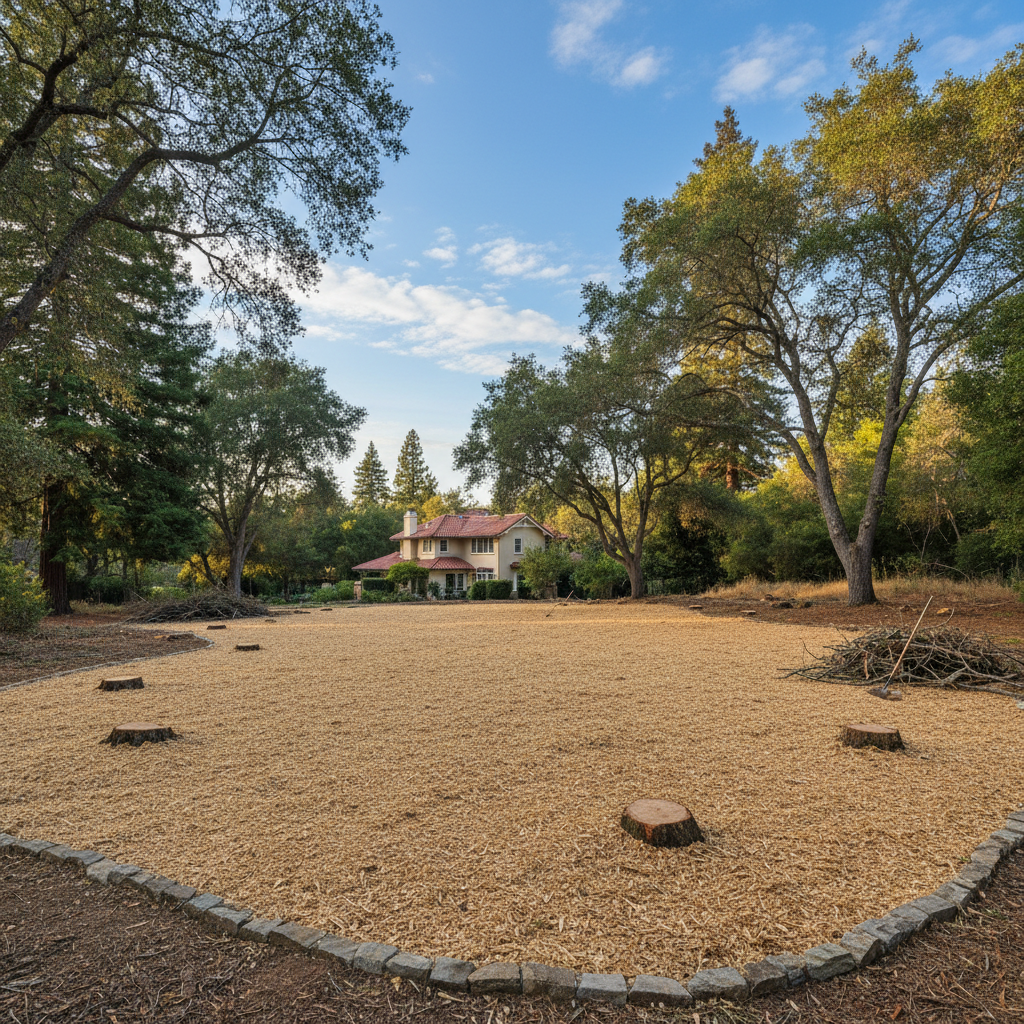
Your Cleared Lot: It's Not a One-and-Done Deal
You’ve put in the work, or you’ve hired a crew like Top Notch Tree to clear your Atherton property. Maybe it was for a new build, fire safety, or just to reclaim some usable space. Whatever the reason, you’re probably looking at a much cleaner, more open piece of land. That’s great! But here’s the thing: nature doesn’t just stop because you’ve cleared a spot. If you want that cleared land to stay clear and healthy, you’ve got to keep up with it. Think of it like maintaining your car; you wouldn’t just drive it forever without an oil change, right? Your land needs its own kind of tune-up.
We’re talking about extending the life of that clearing work you paid good money for. It’s not just about aesthetics; it’s about preventing fire hazards, protecting your property value, and keeping invasive species from taking over.
Regular Maintenance: Your Best Defense
So, what does regular maintenance actually look like for a cleared lot here in Atherton? It’s pretty straightforward, but it needs to be consistent. You can’t just clear it once and walk away for five years, especially with our climate. We get those long, dry summers, and then things explode with growth once the rains hit.
Weed and Brush Control: This is probably your biggest ongoing task. Young weeds and brush will try to sprout up quickly. If you cleared a lot of native chaparral or invasive species like French broom, you’ll see them pop back up from seeds or root fragments. Hand-pulling small weeds is effective if you catch them early. For larger areas, you might need to consider targeted herbicide application, but always be careful and follow instructions, especially near waterways or sensitive plants you want to keep. Some folks prefer natural methods like mulching heavily or even grazing animals, but that’s a bigger commitment.
Monitoring Re-sprouts: Many trees and shrubs, especially oaks and certain brush species common in our area, can re-sprout from their stumps or roots even after they’ve been cut down. You’ll need to regularly check for these new shoots and cut them back as soon as you see them. The younger they are, the easier they are to manage. If you let them grow, you’re basically back to square one.
Fire Fuel Reduction: This is huge for us in Atherton, especially with properties backing up to open space or hillsides. Keep an eye on any dry grass, fallen leaves, or small branches. Clear these away, especially during the dry season. Maintaining a defensible space isn't just a good idea; it's often a requirement here. A shredder or chipper can be really useful for turning smaller debris into mulch, which then helps suppress weeds.
Drainage Checks: When you clear land, you change how water flows. Make sure you don’t have new areas where water is pooling or eroding the soil. Our clay soils can be particularly prone to compaction and runoff, so good drainage is key to preventing problems down the line.
Warning Signs That You Need to Step Up Your Game
You don’t want to wait until things are out of control. Here are some red flags that tell you your maintenance isn’t quite cutting it:
Visible New Growth Everywhere: If you’re seeing a carpet of new seedlings or brush starting to form a dense layer, you’ve waited too long. A few sprouts are normal; a jungle isn't.
Invasive Species Taking Hold: Keep an eye out for notorious invaders like acacia, eucalyptus, or even certain types of grasses. They grow fast and can quickly outcompete native plants. If you see a patch of something you didn't plant and it's spreading rapidly, address it immediately.
Erosion Channels: If you start seeing small gullies or channels forming on your cleared land, especially after heavy rains, it means your soil is eroding. This is a serious problem that can lead to bigger issues and loss of topsoil.
Accumulation of Dead Material: Piles of dry leaves, dead branches, or withered weeds are prime fire fuel. If you’re seeing these build up, it’s time for a clean-up.
When to Call in the Professionals
Look, not everyone has the time, equipment, or expertise to handle every aspect of land maintenance. That’s perfectly fine. Here’s when it’s smart to bring in a pro like me or another local expert:
Large-Scale Re-growth: If your cleared land has become significantly overgrown again, trying to tackle it yourself with hand tools can be a losing battle. We’ve got the heavy equipment and experience to get it back to baseline efficiently.
Hazardous Tree Re-growth: Sometimes, stumps will send up multiple fast-growing shoots that can become unstable or grow into undesirable shapes. If you have large trees re-sprouting near structures or power lines, don’t mess with them. That’s a job for trained arborists.
Invasive Species Management: Some invasive plants are incredibly tough to eradicate. If you’re dealing with a persistent problem like Arundo donax (giant reed) or certain aggressive vines, a professional can develop a targeted removal and treatment plan that’s effective and environmentally responsible.
Erosion Control: If you’re seeing significant erosion, you might need more than just some straw waddles. A professional can assess the situation and recommend solutions like grading, terracing, or specialized plantings to stabilize the soil.
Fire Abatement Compliance: Atherton has specific regulations for defensible space. If you’re unsure if your property meets the requirements, or if you received a notice from the fire department, a professional can help you get compliant.
You Just Don't Have the Time: Let's be honest, life in Atherton is busy. If you'd rather spend your weekends enjoying your property than battling brush, that's what we're here for. We can set up a regular maintenance schedule to keep your land looking great year-round.
Keeping your cleared land in good shape isn’t just about making it look nice; it’s about protecting your investment, enhancing safety, and maintaining the health of your property. A little consistent effort goes a long way, and knowing when to call in the cavalry can save you a lot of headache and expense down the road.